The conflict in Ukraine has become an unprecedented testing ground for unmanned systems. While much of the public focus has been on modified commercial quadcopters, 3D-printed fixed-wing UAVs are now proving their viability for long-range, sustained operations, proving that additive manufacturing has a serious role in modern aerospace logistics.
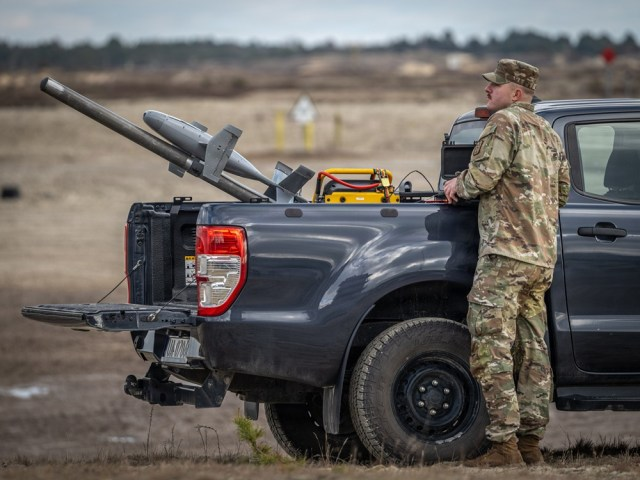
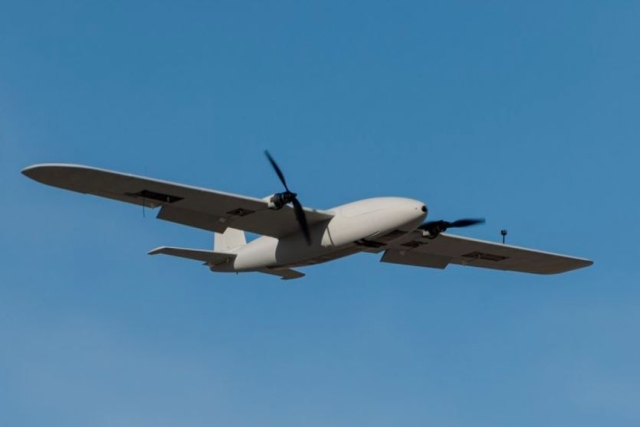
Recently, the Ukrainian Armed Forces received a batch of “Titan Falcon” long-range drones. Interestingly, these weren’t built in a traditional, centralized aerospace facility. They were produced through a collaborative, distributed manufacturing effort involving an American-Ukrainian NGO and Germany’s Donaustahl GmbH.
How the Titan Dynamics Approach Changes the Supply Chain?
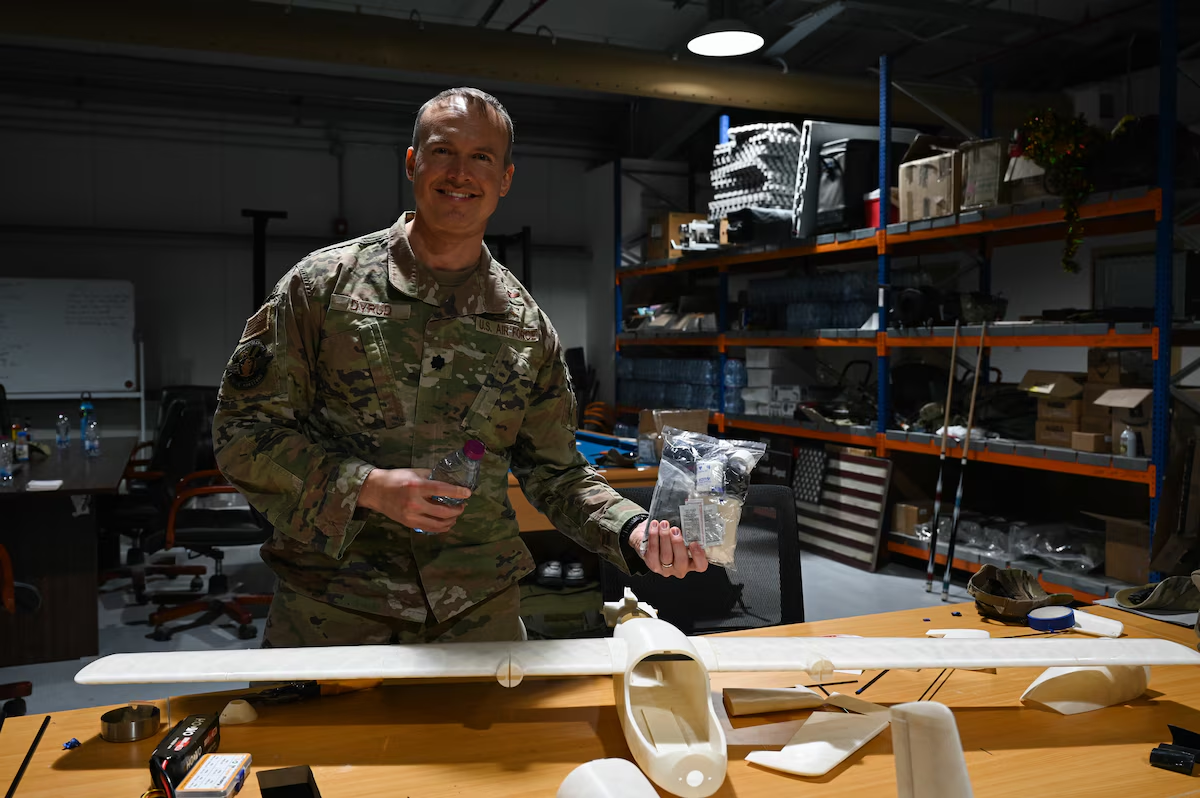
The engineering behind the Titan Falcon airframe comes from Titan Dynamics—the same start-up streamlining production for U.S. experimental military units. Their business model directly tackles the logistical bottleneck of UAV acquisition: the physical supply chain. Instead of manufacturing and shipping fragile, fully assembled aircraft across the world, Titan Dynamics develops highly optimized 3D-printable fixed-wing and VTOL designs.
This software-and-files approach allows global partners—like Donaustahl in Germany—to download the CAD/G-code and manufacture the airframes locally. This distributed model drastically minimizes production costs, circumvents traditional supply chain delays, and allows for rapid iteration based on field feedback.
The resulting hardware is highly capable. The 3D-printed Titan Falcon is not a short-range tactical toy; it boasts a 400-kilometer operational range and up to 6 hours of flight endurance for ISR (Intelligence, Surveillance, and Reconnaissance) missions.
By decentralizing the manufacturing process and utilizing 3D printing for complex aerodynamic structures, engineers are successfully bridging the gap between low-cost attritable systems and the rigorous performance requirements of deep-reconnaissance missions.