We’ve established that 3D-printed UAVs are bridging critical gaps in rapid deployment and distributed manufacturing. But the technology isn’t just scaling up in volume—it is rapidly advancing in autonomous capability. What began as a way to quickly build cheap reconnaissance drones is now driving the next phase of drone-on-drone warfare: the autonomous interceptor.
The operational reality in Ukraine has forced a massive shift in air defense strategy. When adversaries launch hundreds of cheap, one-way attack drones (like the Shahed-136) in a single night, countering them with traditional, multi-million-dollar air defense missiles is financially and logistically unsustainable. The solution? Fight mass with mass.
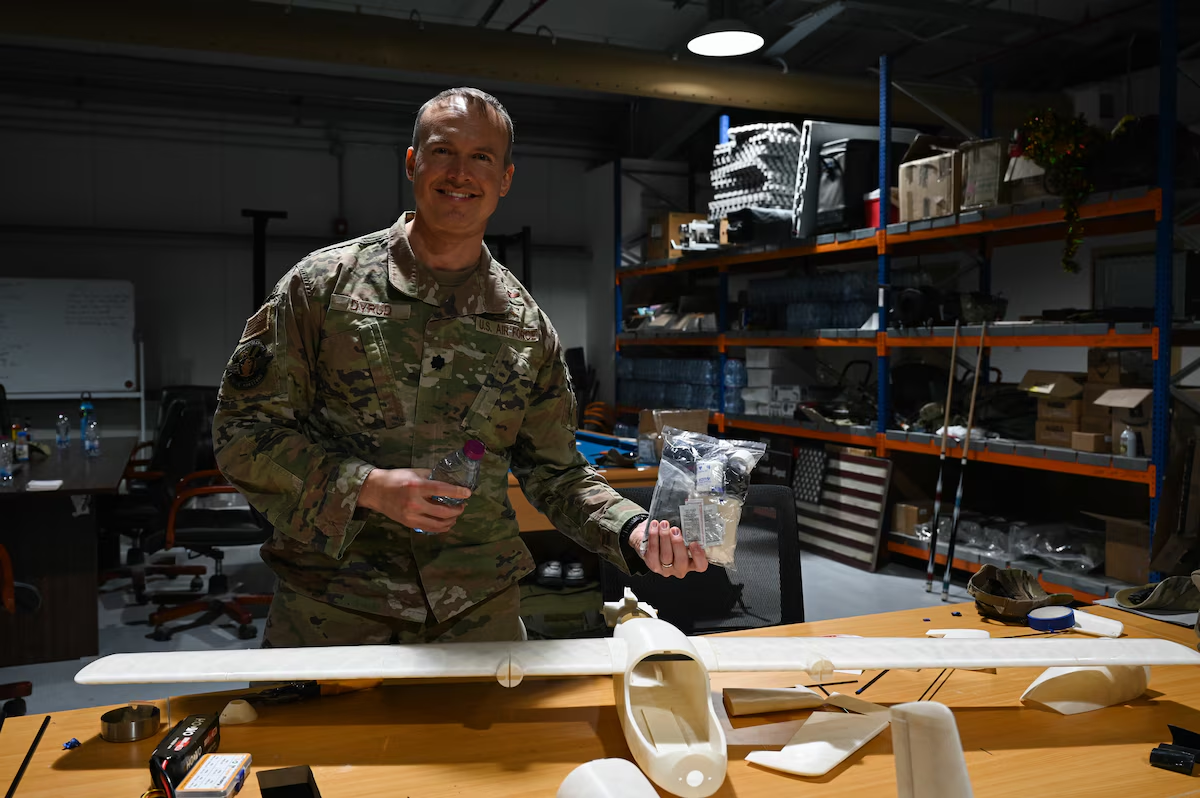
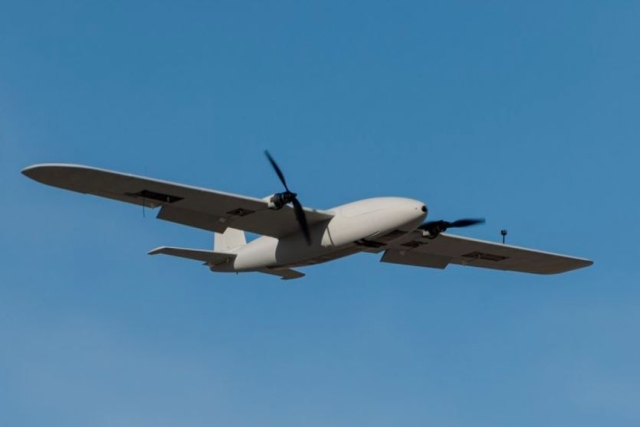
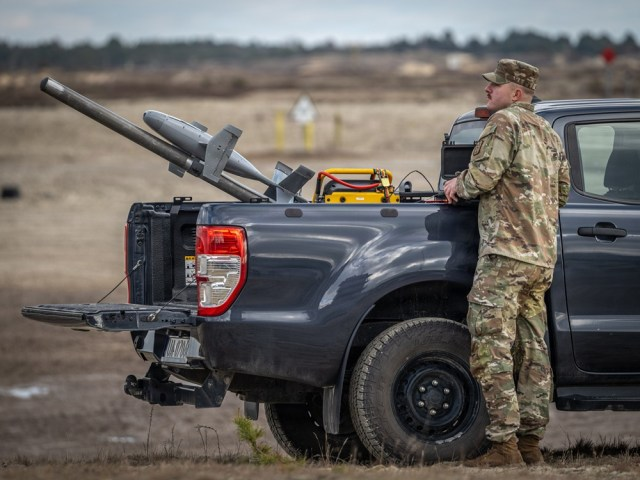
Ukrainian and Western engineers are now mass-producing small, high-speed interceptor drones specifically designed to track and physically collide with incoming threats. Crucially, many of these interceptors—like those developed by Munich-based Tytan Technologies—are designed to be 3D-printed or assembled from cheap off-the-shelf components.
The Integration of On-Board AI
Building a cheap drone is only half the battle; the real engineering challenge is intercepting a moving target in an environment heavily saturated by electronic warfare and GPS jamming. This is where artificial intelligence takes over.
Companies are integrating machine vision and predictive algorithms directly onto these rapid-manufactured airframes. Instead of relying on a human pilot or a vulnerable radio link, the interceptor uses its onboard optical sensors and AI to visually classify the target, lock on, and autonomously execute the final intercept at speeds exceeding 300 km/h.
This software-first approach means the physical hardware can remain incredibly cheap—often 100 times cheaper than a conventional missile—while the intelligence of the system is continuously updated via software patches based on real battlefield data.
By combining the rapid iterability of 3D printing with the localized decision-making of edge AI, the industry is proving that “attritable” systems can be highly sophisticated. We are witnessing the normalization of a new defense architecture: one where the airframe is disposable, but the software is invaluable.